
TrendCrypt News
Bitcoin vs Stablecoins for Everyday Payments
Bitcoin remains the most recognized cryptocurrency, but stablecoins are increasingly dominating practical payment usage because of lower volatility and simpler value tracking.
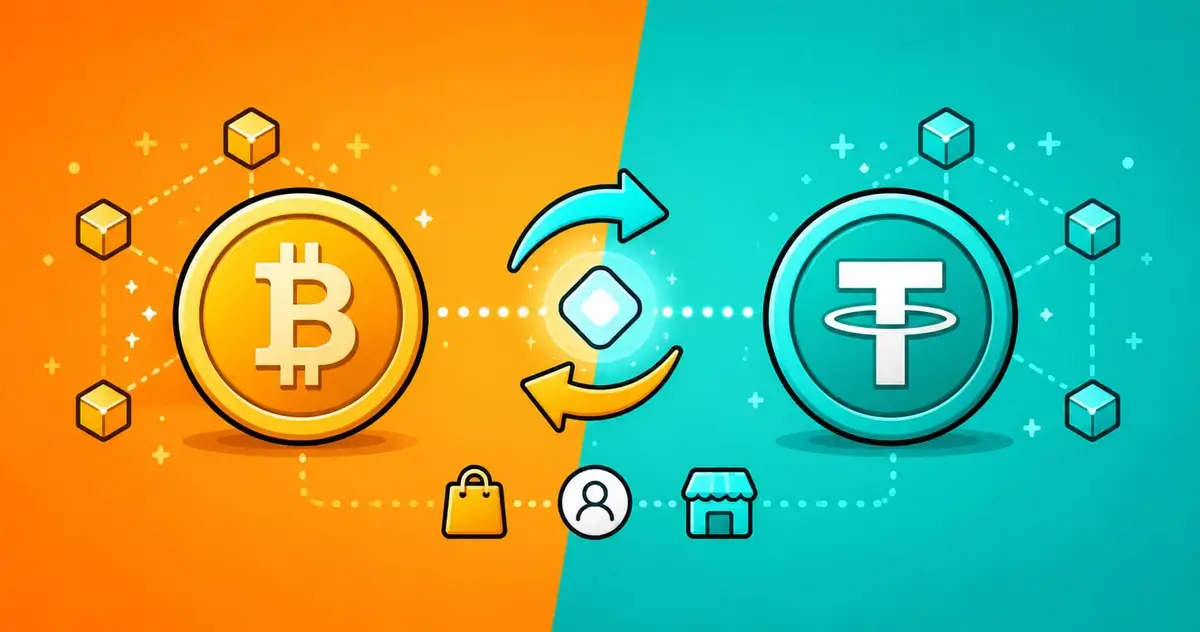
Bitcoin remains the most recognizable cryptocurrency globally, but stablecoins are increasingly becoming the preferred option for practical digital payments and transfers. Analysts suggest the difference comes down to use case: Bitcoin is still viewed primarily as a long-term store of value, while stablecoins are optimized for transaction stability and predictable payment flows. As crypto adoption expands, the debate between Bitcoin and stablecoins is becoming more important across payments, fintech, and blockchain infrastructure.
The discussion also affects industries connected to online payments, crypto platforms, and digital transfers. Related resources include Tether Gambling Guide, Bitcoin Gambling Guide, and Best Cryptocurrencies for Online Gambling.
Key Takeaways
- Bitcoin remains the most recognized crypto asset
- Stablecoins dominate many real-world payment flows
- Price volatility affects Bitcoin’s payment usability
- USDT and USDC continue growing rapidly
- Stablecoins simplify accounting and budgeting
- Bitcoin still leads long-term store-of-value narratives
- Analysts expect stablecoin payment adoption to continue expanding
What Happened
Stablecoins have increasingly become the preferred option for:
- transfers
- settlements
- online payments
- cross-border transactions
- exchange liquidity
Meanwhile, Bitcoin continues dominating:
- institutional investment narratives
- treasury holdings
- long-term crypto adoption discussions
Bitcoin vs Stablecoins
| Feature | Bitcoin | Stablecoins |
|---|---|---|
| Price Stability | Highly volatile | Designed to remain stable |
| Primary Use Case | Store of value / investment | Payments and transfers |
| Value Tracking | Difficult during volatility | Simpler dollar-based accounting |
| Adoption | Very high global recognition | Rapidly growing payment adoption |
| Transaction Experience | Depends on network conditions | Usually more predictable |
Historically, assets optimized for stability tend to become more practical for payments than highly volatile assets.
Why It Matters
One of crypto’s biggest challenges for payments has always been volatility.
For example:
- a Bitcoin balance may fluctuate heavily in short periods
- stablecoins are designed to maintain stable pricing
👉 In practice, businesses and users often prefer predictable balances for transactions and budgeting.
This has accelerated stablecoin adoption across:
- fintech
- exchanges
- online services
- payment infrastructure
Major Stablecoins Leading Adoption
| Stablecoin | Primary Positioning |
|---|---|
| USDT | Most widely used stablecoin |
| USDC | Compliance-focused stablecoin |
| DAI | Decentralized stablecoin |
| FDUSD | Exchange-integrated stablecoin |
| PYUSD | PayPal-backed stablecoin |
Stablecoins now process enormous transaction volumes across crypto ecosystems globally.
Where Stablecoins Are Gaining Ground
| Sector | Current Trend |
|---|---|
| Cross-border Transfers | Strong stablecoin growth |
| Online Services | Stablecoins increasingly preferred |
| Trading Settlement | Stablecoins dominate liquidity |
| Crypto Gambling | Stable bankroll management |
| Remittances | Fast blockchain-based transfers |
Many users increasingly treat stablecoins as:
- blockchain-based dollars
- fast settlement tools
- digital payment infrastructure
Market Impact
The rise of stablecoins is influencing:
- crypto exchanges
- global remittances
- fintech systems
- payment providers
- blockchain competition
Some analysts believe stablecoins may become one of crypto’s strongest mainstream adoption drivers.
Meanwhile, Bitcoin still maintains dominance as:
- the leading crypto brand
- a long-term investment asset
- digital gold narrative infrastructure
Important Context
Bitcoin and stablecoins are often used differently.
Bitcoin is commonly associated with:
- investment
- scarcity
- long-term holding
Stablecoins are more commonly associated with:
- payments
- transfers
- liquidity
- operational transactions
👉 The two assets increasingly serve complementary rather than identical roles.
Important to Know
Bitcoin Remains Highly Volatile
BTC balances may:
- rise rapidly
- fall sharply
- fluctuate significantly during market events
Stablecoins Are Not Completely Risk-Free
Stablecoins still involve:
- issuer risk
- reserve management concerns
- regulatory pressure
- possible depegging events
Payment Experience Depends on the Blockchain
Transaction costs and speed may vary depending on:
- Ethereum
- Solana
- Tron
- Bitcoin
- Layer 2 networks
Regulation Is Becoming More Important
Governments globally are increasing focus on:
- stablecoin oversight
- reserve transparency
- compliance systems
👉 Based on current market conditions, regulation may become one of the biggest long-term factors shaping stablecoin adoption.
Key Risks for Bitcoin and Stablecoins
| Risk | Why It Matters |
|---|---|
| Bitcoin Volatility | Balances can fluctuate significantly |
| Stablecoin Regulation | Global oversight is increasing |
| Issuer Risk | Stablecoins depend on reserve systems |
| Network Fees | Costs vary depending on blockchain |
| Adoption Fragmentation | Different platforms support different assets |
What Analysts Are Watching
Market participants are closely monitoring:
- stablecoin payment growth
- Bitcoin institutional adoption
- stablecoin regulation
- blockchain payment infrastructure
- fintech integrations
Some analysts believe the future crypto economy may divide naturally between:
- Bitcoin as digital value storage
- stablecoins as transactional infrastructure
Industry Reaction
Supporters of Bitcoin argue:
- scarcity remains valuable
- decentralization matters most
- long-term value appreciation is more important than payment utility
Supporters of stablecoins argue:
- stability improves usability
- payments become more practical
- mainstream adoption becomes easier
The debate increasingly centers around whether crypto’s future is driven more by:
- investment narratives
or - payment infrastructure.
What Happens Next
Several factors may influence adoption trends moving forward:
- stablecoin regulation
- Bitcoin ETF growth
- fintech payment integration
- blockchain scalability improvements
- institutional participation
If stablecoin infrastructure continues improving, analysts expect payment usage to expand significantly over the next several years.
Related Guides
- Tether Gambling Guide
- Bitcoin Gambling Guide
- Best Cryptocurrencies for Online Gambling
- Crypto Withdrawal Speed Guide
FAQ
Why are stablecoins better for payments?
Mostly because their value remains relatively stable compared with Bitcoin.
Is Bitcoin still useful for payments?
Yes, but volatility can make budgeting and pricing more difficult.
Which stablecoins are most widely used?
USDT and USDC are currently among the largest and most adopted stablecoins.
Why do businesses prefer stablecoins?
Stable pricing makes accounting and transactions simpler.
Is Bitcoin better as an investment?
Many investors still view Bitcoin primarily as a long-term store of value.
Are stablecoins risk-free?
No. Stablecoins still involve regulatory, issuer, and reserve-related risks.
Bitcoin Miners Are Becoming AI Power Companies
Hut 8’s role in Anthropic’s huge AI expansion shows why grid connections, land and power infrastructure may become more valuable than Bitcoin mining itself.
Bitcoin’s Quantum Risk Is Becoming a Wallet Migration Problem
New quantum attack estimates and hardware-wallet tests show Bitcoin’s hardest quantum challenge may be moving existing coins before vulnerable keys become exploitable.
Bitcoin Mining’s Next Constraint May Be the Power Grid
Russia’s new mining restrictions show why cheap electricity is no longer enough for Bitcoin miners as grid capacity, interconnection and curtailment become strategic constraints.