
TrendCrypt News
Ethereum Gas Fees Are Rising Again
Ethereum gas fees are increasing again as network activity grows, raising new concerns around transaction costs, scalability, and Layer 2 adoption.
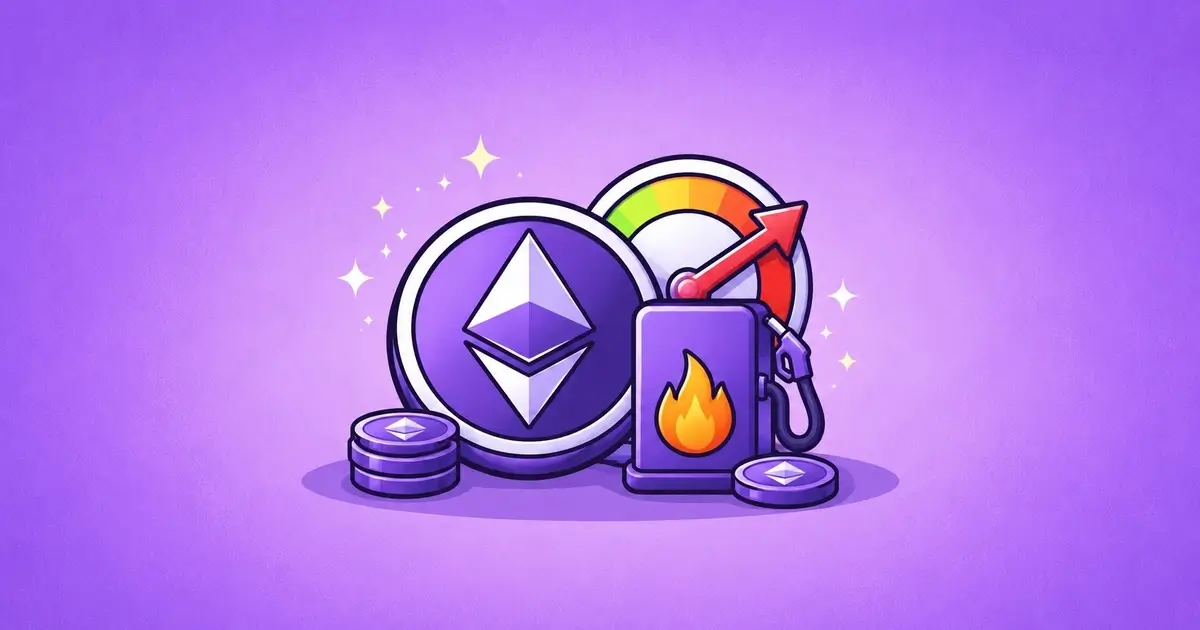
Ethereum gas fees are climbing again as network activity increases across DeFi, trading, NFTs, and blockchain applications. Analysts suggest rising transaction costs are once again accelerating interest in Layer 2 scaling networks such as Arbitrum, Optimism, and Base. While Ethereum remains the largest smart contract ecosystem, higher fees continue creating usability concerns for regular users and developers.
Ethereum’s fee structure also affects industries connected to payments, crypto applications, and blockchain-based platforms. Related resources include Ethereum Gambling Guide, Best Ethereum Casinos, and Solana Gambling Guide.
Key Takeaways
- Ethereum gas fees are increasing again
- Network congestion is driving higher transaction costs
- Layer 2 adoption continues accelerating
- Developers remain focused on scaling solutions
- Users are increasingly comparing alternative blockchains
- ETH price movements can amplify fee pressure
- Scalability remains one of Ethereum’s biggest long-term challenges
What Happened
Ethereum transaction fees have risen again as blockchain activity increased across:
- decentralized finance (DeFi)
- NFT markets
- stablecoin transfers
- trading activity
- on-chain applications
Gas fees represent the cost users pay to process transactions on Ethereum.
Estimated Ethereum Gas Costs
| Transaction Type | Typical Cost |
|---|---|
| Simple ETH Transfer | $4–$12 |
| ERC20 Transfer | $8–$25 |
| NFT Transaction | $15–$60 |
| DEX Swap | $20–$80 |
| Peak Congestion | Can exceed $100+ |
Historically, Ethereum fees tend to rise sharply during periods of heavy demand.
Why It Matters
Ethereum remains the largest smart contract ecosystem in crypto, but rising fees continue creating friction for users.
Higher gas costs affect:
- traders
- developers
- casual users
- gaming platforms
- blockchain payments
👉 In practice, transaction fees can become too expensive for smaller users during congestion periods.
Layer 2 Networks Continue Growing
As Ethereum fees rise, Layer 2 ecosystems continue gaining adoption.
Major Ethereum Layer 2 Networks
| Layer 2 | Primary Focus |
|---|---|
| Arbitrum | Lower fees and Ethereum compatibility |
| Optimism | Fast Layer 2 scaling network |
| Base | Coinbase-backed Ethereum Layer 2 |
| zkSync | Zero-knowledge scaling solution |
| Starknet | Advanced zk-rollup infrastructure |
These networks aim to:
- reduce fees
- improve scalability
- maintain Ethereum compatibility
Ethereum Mainnet vs Layer 2 Networks
| Feature | Ethereum Mainnet | Layer 2 Networks |
|---|---|---|
| Transaction Speed | Moderate | Faster |
| Fees | Higher during congestion | Typically lower |
| Security | Ethereum mainnet | Inherits Ethereum security |
| User Experience | Direct mainnet usage | Bridge required |
| Adoption | Largest ecosystem | Rapidly growing |
Market Impact
Higher Ethereum fees often influence broader crypto market behavior.
Some effects include:
- migration toward Layer 2 solutions
- increased interest in alternative chains
- reduced smaller-user activity
- higher stablecoin transfer costs
Historically, fee spikes have also boosted attention toward:
- Solana
- Avalanche
- Base
- other scalable ecosystems
Important Context
Ethereum gas fees fluctuate depending on:
- network congestion
- transaction complexity
- market volatility
- application demand
During periods of intense market activity, fees can rise extremely quickly.
👉 Fee pressure has been one of Ethereum’s most debated challenges for years.
Important to Know
Layer 2 Adoption Is Accelerating
Many developers and users are increasingly moving toward:
- Arbitrum
- Optimism
- Base
- zk-rollups
to avoid high mainnet costs.
Gas Fees Affect More Than Traders
Higher fees impact:
- gaming apps
- stablecoin transfers
- NFT activity
- blockchain payments
Ethereum Still Dominates Developer Activity
Despite higher fees, Ethereum remains:
- the largest smart contract ecosystem
- the primary DeFi infrastructure layer
- the most established blockchain developer environment
Fees Can Change Rapidly
Gas costs may rise or fall significantly depending on:
- market conditions
- memecoin activity
- trading volume
- NFT demand
👉 Based on current market conditions, Ethereum scalability remains one of crypto’s biggest infrastructure discussions.
Key Ethereum Fee Risks
| Risk | Why It Matters |
|---|---|
| Network Congestion | Fees spike during heavy activity |
| Layer 2 Complexity | Bridging can confuse new users |
| Smart Contract Risk | Layer 2 infrastructure still evolving |
| Volatility | ETH price swings affect fee costs |
| Scalability Pressure | Demand continues increasing |
What Analysts Are Watching
Market participants are closely monitoring:
- Layer 2 adoption growth
- Ethereum scaling upgrades
- stablecoin transaction migration
- developer activity trends
- cross-chain competition
Some analysts believe Ethereum’s long-term success may depend heavily on how effectively Layer 2 ecosystems expand.
Industry Reaction
Supporters argue Ethereum’s fees are a consequence of:
- strong demand
- ecosystem dominance
- high network security
Critics argue:
- fees remain too expensive for mainstream adoption
- user experience complexity is still a problem
- competitors are improving faster
The debate increasingly focuses on whether Ethereum can scale efficiently without sacrificing decentralization.
What Happens Next
Several factors may shape Ethereum fees moving forward:
- Layer 2 expansion
- Ethereum protocol upgrades
- market speculation cycles
- institutional blockchain adoption
- stablecoin activity growth
If network activity continues increasing, scaling infrastructure will remain one of Ethereum’s most important priorities.
Related Guides
- Ethereum Gambling Guide
- Solana Gambling Guide
- Best Ethereum Casinos
- Best Cryptocurrencies for Online Gambling
FAQ
What are Ethereum gas fees?
Gas fees are transaction costs paid to process actions on the Ethereum blockchain.
Why are Ethereum fees rising again?
Higher network activity and congestion are increasing transaction demand.
What are Layer 2 networks?
Layer 2s are scaling solutions built to reduce Ethereum transaction costs and improve speed.
Are Ethereum gas fees always high?
No. Fees fluctuate depending on network usage and market conditions.
Why do users move to Layer 2 networks?
Mostly to reduce transaction costs and improve efficiency.
Is Ethereum still the biggest smart contract platform?
Yes. Ethereum remains the largest blockchain ecosystem for smart contracts and DeFi.
Ethereum’s 21,000 Gas Rule Is About to Break
Ethereum’s Glamsterdam upgrade changes a 21,000-gas assumption wallets have relied on for years, especially when ETH transfers create new accounts.
Ethereum’s Issuance Debate Tests How Much Staking Is Too Much
Ethereum is debating whether growing staking participation justifies continued ETH issuance, as EIP-8363 reopens questions about rewards, security and decentralization.
Layer 2 Networks Keep Growing on Ethereum
Ethereum Layer 2 networks continue expanding rapidly as users and developers increasingly prioritize lower fees, faster transactions, and scalable blockchain infrastructure.