
TrendCrypt News
Layer 2 Networks Keep Growing on Ethereum
Ethereum Layer 2 networks continue expanding rapidly as users and developers increasingly prioritize lower fees, faster transactions, and scalable blockchain infrastructure.
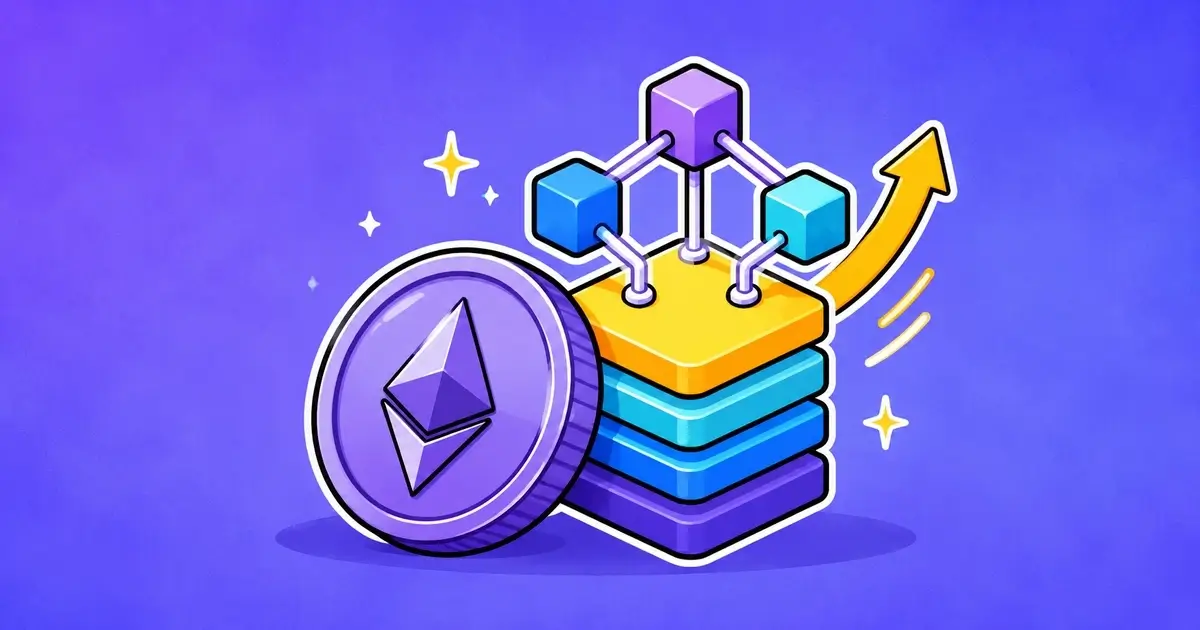
Ethereum Layer 2 networks continue expanding rapidly as users and developers increasingly search for cheaper transactions and better scalability. Analysts suggest Layer 2 ecosystems have become one of the most important parts of Ethereum’s long-term growth strategy as high mainnet fees continue pushing activity toward alternative infrastructure. While Ethereum remains the dominant smart contract ecosystem, Layer 2 scaling networks are increasingly becoming the practical entry point for many users.
The trend is reshaping DeFi, stablecoin transfers, gaming infrastructure, and blockchain payments globally. Related resources include Ethereum Gas Fees Are Rising Again, Ethereum Gambling Guide, and Solana vs Ethereum in 2026.
Key Takeaways
- Ethereum Layer 2 adoption continues accelerating
- Lower fees remain the primary growth driver
- Stablecoin and DeFi activity increasingly migrate to Layer 2s
- Ethereum scalability depends heavily on Layer 2 expansion
- Bridging complexity still creates user friction
- Base, Arbitrum, and Optimism remain major ecosystems
- Analysts expect Layer 2 infrastructure to keep growing rapidly
What Happened
Ethereum Layer 2 ecosystems continue attracting:
- users
- developers
- DeFi liquidity
- stablecoin activity
- gaming applications
Many users are moving to Layer 2 networks because:
- Ethereum mainnet fees remain expensive during congestion
- transactions are faster
- operational costs are lower
Major Ethereum Layer 2 Networks
| Layer 2 | Primary Strength |
|---|---|
| Arbitrum | Large DeFi and ecosystem growth |
| Optimism | Scalable Ethereum-compatible infrastructure |
| Base | Consumer-focused Layer 2 ecosystem |
| zkSync | Zero-knowledge scalability technology |
| Starknet | Advanced zk-rollup infrastructure |
Historically, scaling pressure tends to increase as blockchain ecosystems grow larger and more active.
Why It Matters
Ethereum remains the largest smart contract ecosystem, but scalability has long been one of its biggest challenges.
👉 In practice, Layer 2 systems are increasingly becoming necessary infrastructure for:
- lower-cost transactions
- gaming applications
- stablecoin payments
- retail DeFi activity
Without scaling solutions, many blockchain interactions remain too expensive for smaller users.
Layer 2 Networks vs Ethereum Mainnet
| Feature | Layer 2 Networks | Ethereum Mainnet |
|---|---|---|
| Transaction Fees | Lower | Higher during congestion |
| Transaction Speed | Faster user experience | Slower during heavy activity |
| Security | Inherits Ethereum security | Native Ethereum security |
| Scalability | Designed for scaling | Limited by mainnet throughput |
| User Complexity | Bridging sometimes required | Direct usage |
Layer 2 systems are designed to reduce congestion while maintaining Ethereum compatibility and security assumptions.
Major Areas of Layer 2 Growth
| Sector | Current Trend |
|---|---|
| Stablecoin Transfers | Rapid growth |
| DeFi Activity | Strong Layer 2 migration |
| Gaming Apps | Lower fees improve usability |
| Consumer Payments | Growing experimentation |
| Developer Deployment | Increasing multi-chain expansion |
Stablecoin transfers and gaming applications have become major drivers of Layer 2 adoption.
Market Impact
Layer 2 expansion is influencing:
- Ethereum scalability
- blockchain payments
- DeFi competition
- gaming ecosystems
- stablecoin settlement
Some analysts believe Ethereum’s long-term dominance may depend heavily on whether Layer 2 ecosystems continue scaling successfully.
Important Context
Layer 2 systems usually:
- process transactions separately
- settle data back to Ethereum
- reduce mainnet congestion
This allows users to:
- pay lower fees
- interact more quickly
- scale applications more efficiently
👉 Ethereum increasingly operates as a settlement and security layer while Layer 2s handle more day-to-day activity.
Important to Know
Layer 2s Reduce Fees Significantly
Many transactions become:
- dramatically cheaper
- faster
- more practical for smaller users
Bridging Still Creates Complexity
Users often need to:
- bridge assets
- switch networks
- manage multiple wallets and chains
Security Models Vary
Different Layer 2 systems use:
- optimistic rollups
- zk-rollups
- different sequencing and validation models
Ethereum Still Remains Central
Most Layer 2 systems:
- depend on Ethereum security
- settle back to Ethereum infrastructure
👉 Based on current market conditions, Ethereum and Layer 2s are increasingly evolving into a combined ecosystem rather than separate competitors.
Key Layer 2 Risks
| Risk | Why It Matters |
|---|---|
| Bridge Risks | Cross-chain transfers create complexity |
| Fragmentation | Liquidity spreads across ecosystems |
| User Confusion | Network switching can be difficult |
| Smart Contract Risk | Layer 2 infrastructure still evolving |
| Centralization Concerns | Some systems remain partially centralized |
What Analysts Are Watching
Market participants are closely monitoring:
- stablecoin migration trends
- Layer 2 liquidity growth
- gaming ecosystem expansion
- Ethereum scaling upgrades
- user onboarding improvements
Some analysts believe Layer 2 adoption may eventually become more important than Ethereum mainnet growth itself.
Industry Reaction
Supporters argue Layer 2 systems:
- improve scalability
- reduce fees
- enable mainstream blockchain usage
- preserve Ethereum’s security model
Critics argue:
- ecosystem fragmentation is increasing
- user experience remains too complex
- cross-chain systems add risk
The debate increasingly focuses on whether Layer 2 scaling can simplify blockchain usability enough for mainstream adoption.
What Happens Next
Several factors may shape Layer 2 growth moving forward:
- gaming adoption
- stablecoin usage
- DeFi migration
- Ethereum protocol upgrades
- user onboarding improvements
If Layer 2 ecosystems continue expanding successfully, they may become the primary way most users interact with Ethereum infrastructure.
Related Guides
- Ethereum Gas Fees Are Rising Again
- Ethereum Gambling Guide
- Solana vs Ethereum in 2026
- Best Ethereum Casinos
FAQ
What are Ethereum Layer 2 networks?
Scaling systems built to reduce Ethereum transaction costs and improve speed.
Why are Layer 2 networks growing?
Mostly because Ethereum mainnet fees remain expensive during congestion.
Which Layer 2 networks are most popular?
Arbitrum, Optimism, Base, zkSync, and Starknet are among the largest.
Do Layer 2s replace Ethereum?
No. Most Layer 2s rely on Ethereum for security and settlement.
What is the biggest Layer 2 challenge?
User onboarding and cross-chain complexity remain major issues.
Will Layer 2 adoption continue growing?
Most analysts expect Layer 2 ecosystems to expand significantly over the coming years.
Ethereum’s 21,000 Gas Rule Is About to Break
Ethereum’s Glamsterdam upgrade changes a 21,000-gas assumption wallets have relied on for years, especially when ETH transfers create new accounts.
Ethereum’s Issuance Debate Tests How Much Staking Is Too Much
Ethereum is debating whether growing staking participation justifies continued ETH issuance, as EIP-8363 reopens questions about rewards, security and decentralization.
Ethereum Gas Fees Are Rising Again
Ethereum gas fees are increasing again as network activity grows, raising new concerns around transaction costs, scalability, and Layer 2 adoption.