
TrendCrypt News
Why Regulators Are Targeting Stablecoins
Stablecoins are facing increasing global regulatory scrutiny as governments focus more heavily on digital payments, reserve transparency, financial stability, and crypto adoption.
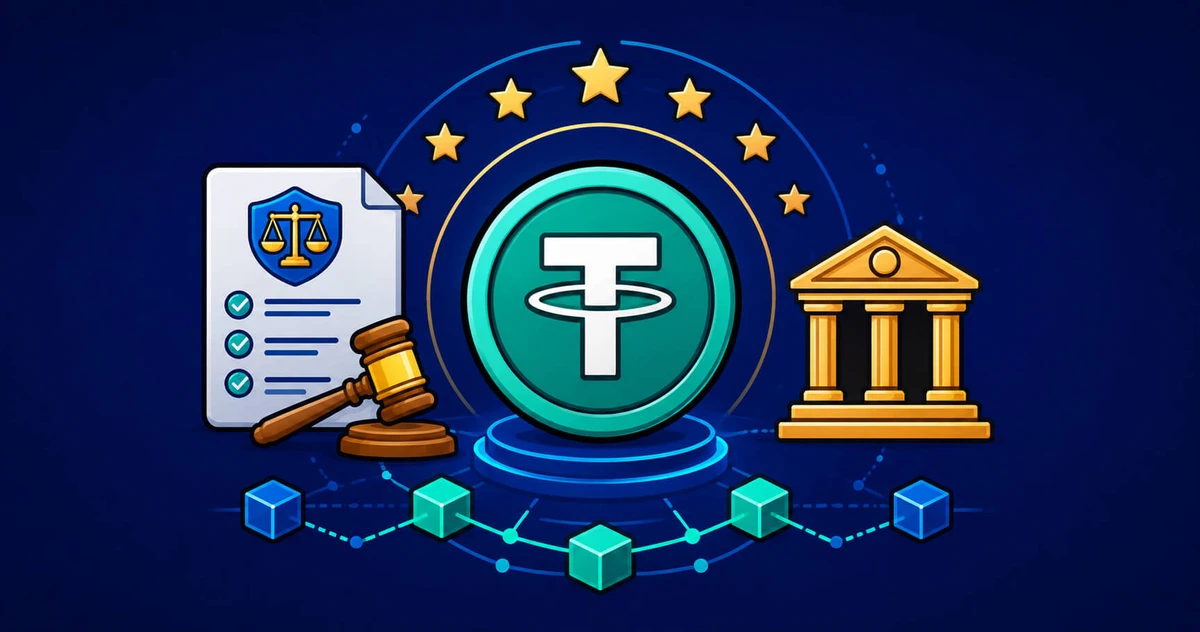
Stablecoins are facing growing regulatory attention in 2026 as governments increasingly view them as a major part of the evolving global financial system. Analysts suggest stablecoins are no longer treated simply as niche crypto assets but rather as emerging payment infrastructure with real-world economic impact. As adoption expands across exchanges, fintech, payments, and cross-border transfers, regulators are becoming more focused on transparency, reserve backing, and systemic risk.
The shift is influencing exchanges, payment companies, fintech systems, and blockchain ecosystems globally. Related resources include Tether Gambling Guide, Best Cryptocurrencies for Online Gambling, and Bitcoin vs Stablecoins for Payments.
Key Takeaways
- Stablecoin regulation is accelerating globally
- Governments increasingly treat stablecoins as payment infrastructure
- Reserve transparency is becoming a major focus
- Stablecoin adoption continues expanding rapidly
- Cross-border payments are driving regulatory interest
- USDT and USDC remain dominant market players
- Analysts expect compliance requirements to become stricter
What Happened
Governments and financial regulators globally are increasing focus on:
- stablecoin reserves
- payment infrastructure
- anti-money-laundering systems
- financial stability concerns
- consumer protection
Stablecoins are increasingly used for:
- crypto trading
- payments
- remittances
- fintech settlement
- online services
Why Regulators Are Focusing on Stablecoins
| Regulatory Concern | Why It Matters |
|---|---|
| Reserve Transparency | Governments want clearer backing information |
| Financial Stability | Large stablecoin usage may affect payment systems |
| Anti-Money Laundering | Transaction monitoring requirements are expanding |
| Consumer Protection | Users need clearer safeguards |
| Cross-Border Payments | Stablecoins increasingly move globally |
Historically, governments tend to increase oversight when private payment systems scale rapidly.
Why It Matters
Stablecoins are increasingly functioning like:
- blockchain-based dollars
- settlement rails
- digital payment infrastructure
👉 In practice, stablecoins are becoming one of crypto’s most widely used real-world applications.
This creates pressure for regulators to address:
- reserve backing
- liquidity risks
- payment oversight
- financial system integration
Major Stablecoins Under Regulatory Focus
| Stablecoin | Market Position |
|---|---|
| USDT | Largest global stablecoin by circulation |
| USDC | Compliance-focused stablecoin infrastructure |
| DAI | Decentralized stablecoin model |
| PYUSD | Traditional fintech-backed stablecoin |
| FDUSD | Exchange-integrated stablecoin |
USDT and USDC remain the most heavily discussed stablecoins globally because of:
- transaction volume
- exchange integration
- payment usage
Stablecoins vs Bitcoin
| Feature | Stablecoins | Bitcoin |
|---|---|---|
| Price Stability | Designed to remain stable | Highly volatile |
| Primary Usage | Payments and settlement | Investment and speculation |
| Regulatory Focus | Increasing rapidly | Already established |
| Institutional Interest | Growing strongly | Already significant |
| Mainstream Utility | Operational payment infrastructure | Store-of-value narrative |
Bitcoin and stablecoins increasingly serve different economic roles inside crypto markets.
Market Impact
Stablecoin regulation is influencing:
- fintech partnerships
- exchange compliance systems
- payment infrastructure
- banking relationships
- institutional adoption
Some analysts believe stablecoin regulation could become one of the most important policy developments in crypto over the next decade.
Important Context
Stablecoins are designed to maintain relatively stable value by:
- holding reserves
- using collateral systems
- maintaining fiat pegs
However, regulators increasingly worry about:
- reserve quality
- liquidity management
- systemic concentration
👉 The larger stablecoins become, the more closely governments tend to monitor them.
Important to Know
Stablecoins Are Not Fully Decentralized
Many major stablecoins rely on:
- centralized issuers
- reserve custodians
- banking relationships
Regulation Could Change Stablecoin Markets
Future rules may affect:
- reserve requirements
- issuer licensing
- transaction monitoring
- user verification systems
Stablecoins Continue Growing Rapidly
Adoption continues expanding across:
- exchanges
- payments
- remittances
- online services
- crypto gambling platforms
Governments Want More Oversight
Regulators increasingly seek:
- transparency
- financial reporting
- anti-money-laundering compliance
- consumer safeguards
👉 Based on current market conditions, stablecoin regulation is likely to intensify rather than slow down.
Key Stablecoin Regulation Risks
| Risk | Why It Matters |
|---|---|
| Reserve Risk | Questions around backing and liquidity |
| Centralization | Issuers may freeze assets or wallets |
| Regulatory Restrictions | Future laws could reshape usage |
| Cross-Border Complexity | Global rules vary significantly |
| Market Concentration | Few issuers dominate the market |
What Analysts Are Watching
Market participants are closely monitoring:
- US stablecoin legislation
- European crypto regulation
- reserve transparency standards
- central bank responses
- fintech adoption growth
Some analysts believe stablecoins may eventually become integrated into mainstream financial systems much more deeply than many expected.
Industry Reaction
Supporters argue stablecoins:
- improve payment efficiency
- reduce transfer friction
- modernize digital finance
- support blockchain innovation
Critics argue:
- reserve transparency remains inconsistent
- stablecoin concentration creates systemic risk
- private issuers may gain excessive financial influence
The debate increasingly centers around whether stablecoins should operate more like:
- private fintech systems
or - heavily regulated financial infrastructure.
What Happens Next
Several factors may shape stablecoin regulation moving forward:
- legislation
- central bank policy
- payment adoption
- institutional integration
- reserve transparency standards
If adoption continues accelerating, stablecoins may become one of the most heavily regulated sectors in crypto.
Related Guides
- Tether Gambling Guide
- Bitcoin vs Stablecoins for Payments
- Best Cryptocurrencies for Online Gambling
- Crypto Withdrawal Speed Guide
FAQ
Why are regulators focusing more on stablecoins?
Because stablecoins are increasingly used for payments, transfers, and financial infrastructure.
What is the biggest concern around stablecoins?
Reserve transparency and financial stability risks remain major concerns.
Which stablecoins are most widely used?
USDT and USDC are currently among the largest stablecoins globally.
Are stablecoins regulated?
Regulation varies by jurisdiction, but oversight is increasing rapidly.
Why are stablecoins important to crypto markets?
They provide stable liquidity and payment infrastructure.
Could stablecoin regulation affect users?
Yes. Future rules may influence verification requirements, payment systems, and issuer operations.

Banks Are Realizing Tokenized Deposits May Not Be Enough
Banks are moving deposits onto programmable rails, but interoperability and portability may leave room for stablecoins alongside tokenized bank money.
The UK Is Rethinking How Hard It Should Restrict Stablecoins
The Bank of England has dropped individual stablecoin holding limits as the UK shifts from preventing rapid adoption toward making regulated digital money usable at scale.

Tokenized Deposits Are Banks’ Answer to Stablecoins
HSBC and Standard Chartered completed a live tokenized deposit transaction through Swift, showing how banks may bring programmable money onchain without issuing stablecoins.