Crypto Casino and Betting Scams: Warning Signs
Learn how crypto casino and betting scams use unclear ownership, fake bonuses, cloned sites, withdrawal release fees, private support messages, fake KYC links, and wallet-drainer tactics.

Guide Category
Explore TrendCrypt guides in the crypto scams category, including crypto casino explainers, provably fair topics, no-KYC platforms, safety, and practical blockchain gambling insights.
Learn how crypto casino and betting scams use unclear ownership, fake bonuses, cloned sites, withdrawal release fees, private support messages, fake KYC links, and wallet-drainer tactics.
Learn how fake crypto support accounts target users after wallet, withdrawal, deposit, KYC, or account problems by pretending to represent platforms, exchanges, casinos, wallets, or recovery teams.
Learn how fake crypto tokens and airdrops use copied names, suspicious wallet deposits, malicious claim pages, unsafe approvals, and fake rewards to target wallet users.
Learn how crypto recovery scams target people after losses, including fake recovery agents, upfront fees, wallet-verification tricks, fake investigators, and guaranteed recovery claims.
Learn how crypto address poisoning and clipboard address replacement work, why fake addresses can look familiar, and how to verify wallet addresses before sending funds.
Learn how to check who owns or operates a crypto platform by reviewing the legal company, registered entity, licence details, jurisdiction, contact information, payment terms, and public records.
Learn how crypto wallet signatures work, why some signatures are harmless while others can create token permissions, approval risk, phishing risk, or wallet-drainer exposure.
Learn the warning signs of risky crypto platforms, including hidden ownership, changing withdrawal demands, copied documents, fake support, pressure to deposit more, and unclear contact details.
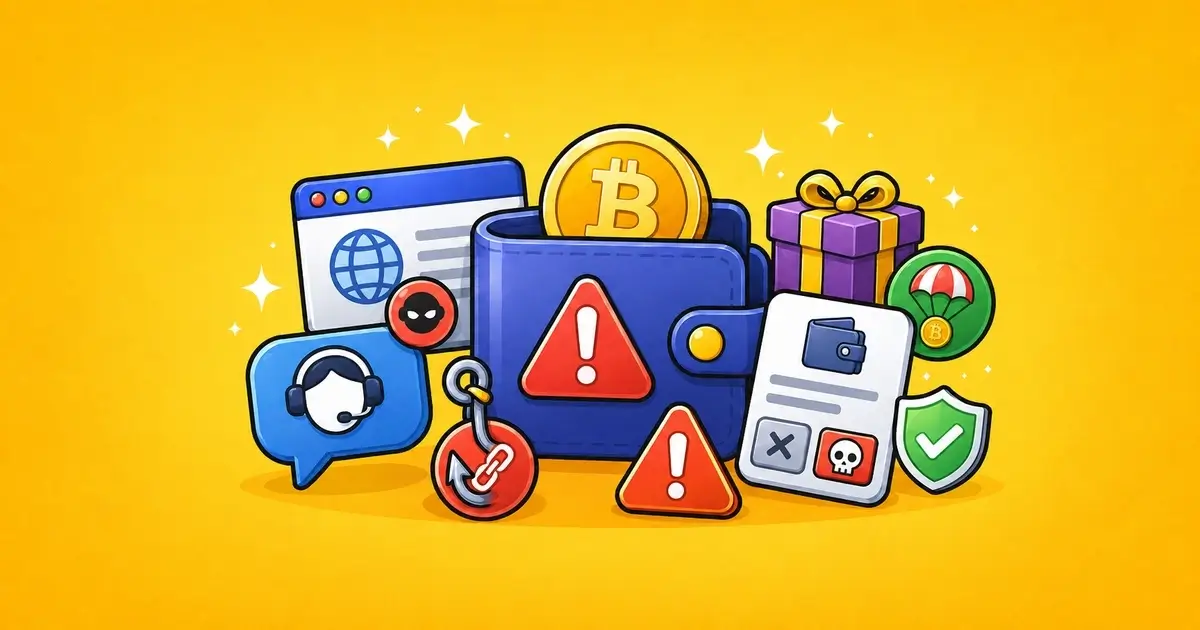
Learn how crypto wallet phishing scams use fake support accounts, copied websites, airdrops, urgent alerts, and wallet prompts to make users sign risky requests or reveal sensitive information.
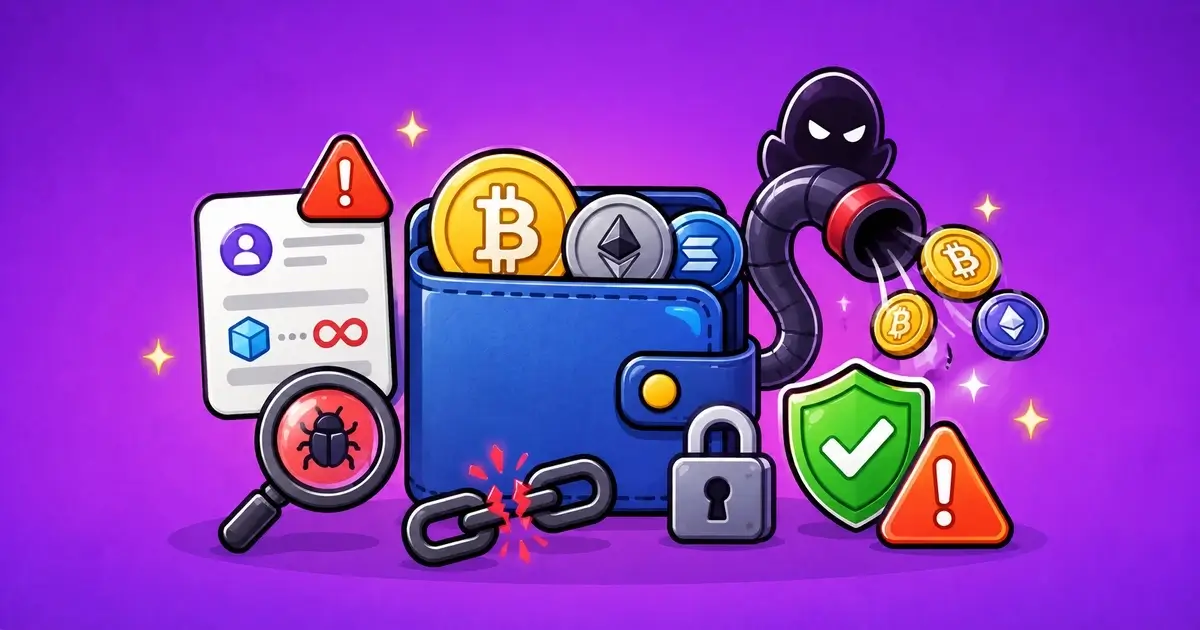
Learn how crypto wallet drainers work, how malicious signatures and token approvals can expose assets, warning signs to watch for, and what to do after suspicious wallet activity.
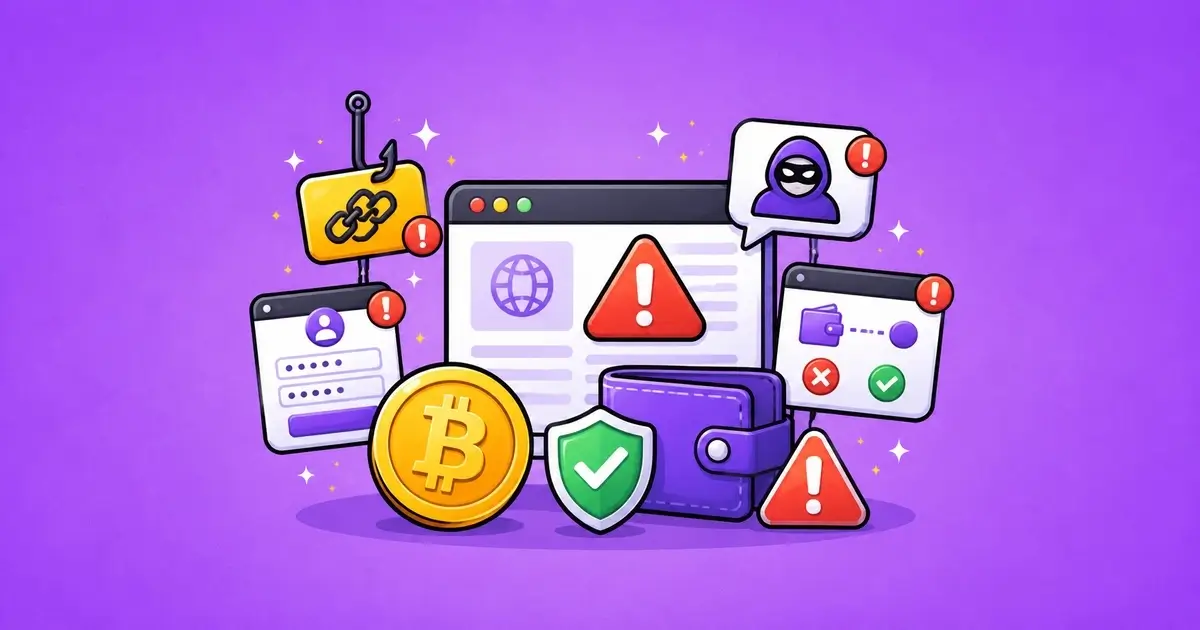
Learn how crypto phishing websites copy real platforms, use fake login pages, sponsored ads, wallet prompts, and support messages to steal wallet access or account details.
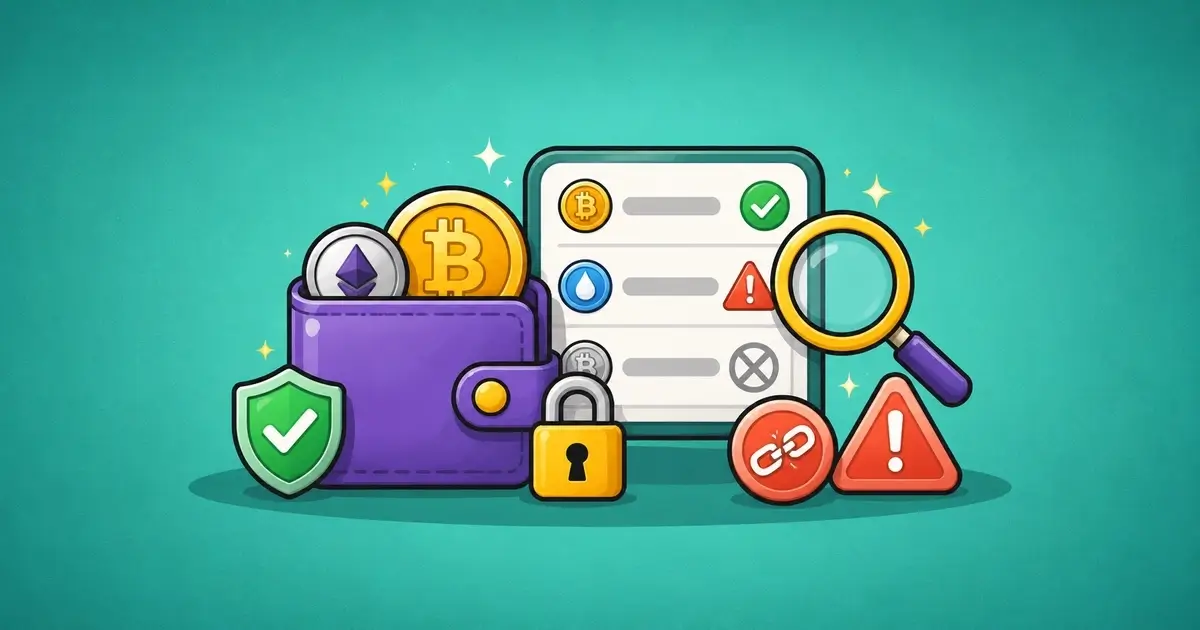
Learn how crypto wallet approvals work, why old or unlimited token permissions can be risky, how to review them safely, and what to avoid when revoking approvals.