TrendCrypt Guide
Crypto Address Poisoning: How to Verify Wallet Addresses
Learn how crypto address poisoning and clipboard address replacement work, why fake addresses can look familiar, and how to verify wallet addresses before sending funds.
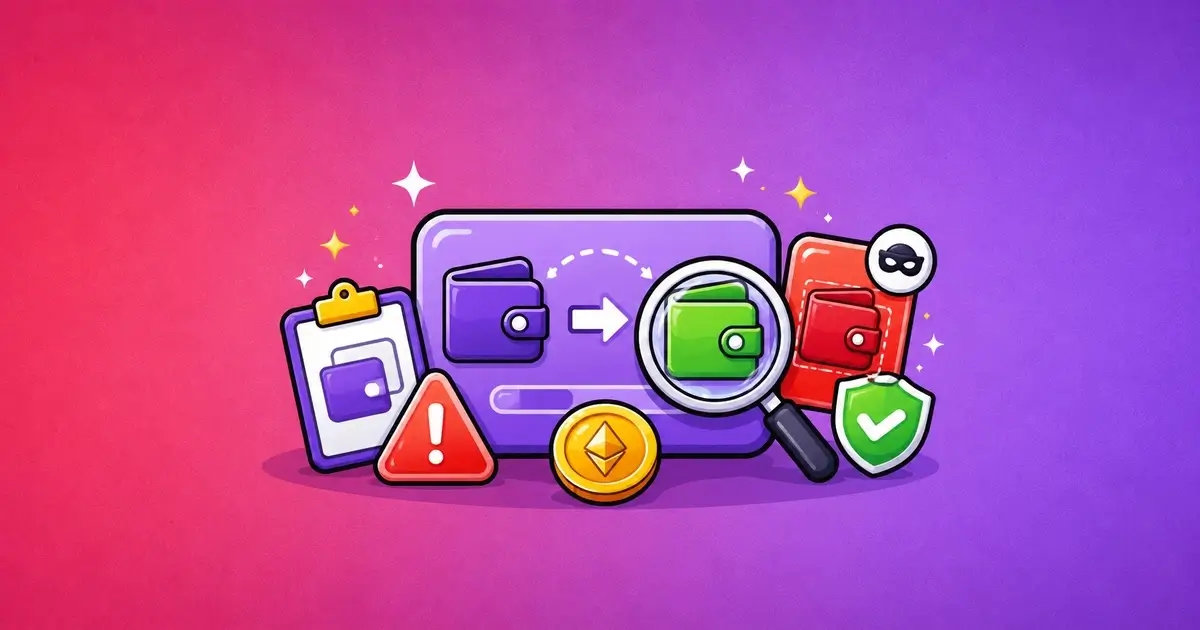
A crypto address mistake can be expensive because blockchain transfers are usually irreversible.
The risk is not only typing an address wrong.
Attackers can make the wrong address look familiar. Address poisoning can place a lookalike address inside your wallet history. Clipboard malware can replace a copied address before you paste it. Fake support can send a payment address that looks official. A platform deposit can also fail if the address is correct but the network, memo, tag, or token is wrong.
This guide explains how crypto address poisoning works, how clipboard replacement can change copied addresses, and how to verify a wallet address before sending funds.
Related safety pages include Wallet Safety, How to Read a Crypto Transaction, Wrong Crypto Network Transfer, Crypto Wallet Phishing Scams: Warning Signs, and Editorial Policy.
Key Takeaways
- Address poisoning makes a scam address appear in wallet history so it looks familiar later
- Clipboard malware can replace a copied wallet address before you paste it
- Checking only the first and last few characters is not enough for meaningful transfers
- Always confirm the asset, network, address, and memo or tag before sending
- Do not copy deposit addresses from old transaction history unless you are sure they are correct
- Be careful with addresses sent by support accounts, DMs, comments, or recovery services
- Use small test transfers before sending larger amounts to a new address
- Never share seed phrases, private keys, wallet passwords, or authentication codes to verify an address
What Is Crypto Address Poisoning?
Crypto address poisoning is a scam where an attacker tries to make a malicious address appear inside your wallet history.
The attacker may send a tiny transaction, fake token transfer, or dust transaction to your wallet. The address may be designed to look similar to one you have used before.
Later, when you check recent activity and copy an address from history, you may accidentally copy the attacker’s address instead of the real one.
The scam relies on habit.
Many users do not read full wallet addresses. They check the first few and last few characters, assume the address is familiar, then send funds.
That shortcut is exactly what address poisoning tries to exploit.
Address Poisoning vs Clipboard Replacement
Address poisoning and clipboard replacement are different problems.
Address poisoning tries to make the wrong address appear familiar.
Clipboard replacement changes the address after you copy it.
Crypto Address Risks to Know
| Risk | How It Works | Why It Matters |
|---|---|---|
| Address poisoning | A scammer sends tiny or fake transactions from a lookalike address | You may later copy the wrong address from wallet history |
| Clipboard replacement | Malware changes the address after you copy it | The pasted address may not match the one you intended |
| Wrong saved contact | An old, mistyped, or compromised address is reused | Funds may go to the wrong recipient |
| Fake support address | A scammer gives a wallet address for “fees,” “recovery,” or “verification” | You may send funds outside the real platform |
| Address-book confusion | Similar labels or chains can cause the wrong address to be selected | The address may be correct for one network but wrong for another |
Both risks can lead to the same result: funds are sent to an address you did not intend to use.
The response is also similar: verify the address from the original source before sending.
How Address Poisoning Usually Works
A poisoned address often appears near real activity.
That is why it can be convincing.
How Address Poisoning Tricks Users
| Signal | What Is Happening | Safer Response |
|---|---|---|
| Tiny transaction appears | A scammer sends dust or fake activity to your wallet | Do not copy addresses from recent history blindly |
| Address looks familiar | The first and last characters may resemble a real address | Compare the full address from the original source |
| Fake token transfer | A fake token event may appear in activity history | Check token contract and sender carefully |
| Recent contact confusion | Wallet history may show the attacker address near real transactions | Use saved address book or official deposit page |
| Repeated dusting | The scammer tries to keep the fake address visible | Ignore unknown tiny transfers and verify manually |
The attacker does not need to access your wallet to poison your transaction history.
They only need to send something to your public address or create activity that appears near real transactions.
A public wallet address can receive transactions from anyone.
That is why unknown tiny transfers should not be treated as trusted contacts.
TrendCrypt Research Notes: Why This Scam Works
Address poisoning is not only a technical trick. It is a behavior trick.
TrendCrypt Research Notes
| Research Note | Why It Matters |
|---|---|
| Users trust recent history | Wallet history feels familiar, so attackers try to appear there |
| People check only the edges | Many users compare first and last characters, which lookalike addresses can imitate |
| Stress increases mistakes | Address errors are more likely during delayed withdrawals, urgent payments, or support disputes |
| Fake support adds pressure | Scammers often provide an address while claiming a payment is needed immediately |
| Small transfers are good tests | A test transfer cannot remove all risk, but it can catch address or network mistakes early |
The scam works because users often move quickly during routine transfers.
They may be withdrawing from an exchange, topping up a casino balance, sending stablecoins to a friend, moving funds after a platform warning, or trying to fix a deposit issue.
In those moments, wallet history feels like a shortcut.
For small transfers, a shortcut may feel harmless. For larger transfers, it is dangerous.
The safer habit is to treat every destination address as new until verified from the original source.
Why Checking Only the First and Last Characters Is Risky
Many users compare only the first four and last four characters of an address.
That is better than checking nothing, but it is not enough.
Attackers can generate addresses that look similar at the beginning and end. The middle may be different, but the address still feels familiar at a quick glance.
For meaningful transfers, check more.
A safer check includes:
- source of the address
- full or longer address comparison
- network
- token
- memo or tag
- address-book label
- small test transfer, if appropriate
Do not rely on memory.
Addresses are not meant to be recognized casually.
How to Verify a Wallet Address Before Sending
Use a repeatable process.
Wallet Address Verification Checklist
| Check | Why It Matters | What to Do |
|---|---|---|
| Source | Where the address came from | Use the official platform, wallet, or saved contact you trust |
| Full address | A few matching characters are not enough | Check more than the first and last four characters |
| Network | The same-looking address may be used across different chains | Confirm the asset and network before sending |
| Memo or tag | Some deposits need extra routing information | Check whether a memo, tag, or payment ID is required |
| Small test transfer | Reduces risk before a larger transfer | Use when moving meaningful funds to a new address |
For larger transfers, slow down.
Read the destination address from the official source, not from old history. Compare longer sections of the address. Confirm the network. Check whether the platform requires a memo, tag, or payment ID. Send a small test first when practical.
A few extra minutes can prevent a permanent mistake.
Clipboard Replacement Malware
Clipboard replacement is another address risk.
The user copies a correct wallet address, but malware or a malicious browser extension changes it before the user pastes.
This means the address in the destination field may not be the one copied.
Clipboard Address Replacement Checks
| Step | Why It Matters | What to Do |
|---|---|---|
| Copy address from trusted source | Start with the correct address | Copy from the official deposit page or verified wallet contact |
| Paste into destination field | This is where replacement may happen | Before sending, compare the pasted address |
| Check middle characters | Malicious addresses may mimic the start and end | Compare a longer section, not only the edges |
| Check after page reload | Some malware or browser extensions may interfere | Recheck before final confirmation |
| Confirm on hardware wallet | A hardware wallet may show the real destination | Compare the device screen when available |
This is why the final confirmation screen matters.
Do not assume that copy and paste worked correctly.
Check the pasted address before sending, especially on devices with many extensions, downloads, cracked software, remote-access tools, or suspicious apps.
Address Poisoning in Exchange and Casino Payments
Address poisoning can affect crypto platform payments too.
A user may copy an address from old wallet history instead of opening the current deposit page. That can be risky because deposit addresses, networks, memos, and supported assets can change.
For exchanges, casinos, and payment platforms, check:
- current deposit page
- asset selected
- network selected
- deposit address
- memo, tag, or payment ID
- minimum deposit
- token contract, where relevant
- whether the platform warns that old addresses may change
Do not send funds to a platform address copied from a previous transaction unless the platform clearly says the address is still valid for the same asset and network.
If a confirmed deposit does not show, read Crypto Deposit Not Showing? What to Check.
Memos, Tags, and Payment IDs
Some platforms require more than an address.
They may also require a memo, destination tag, or payment ID.
This is common with some exchange and platform deposits.
If the memo or tag is missing, the funds may reach the platform’s wallet but not be matched to your account automatically.
Before sending, check:
- whether a memo is required
- whether the memo is optional or mandatory
- whether the asset and network are correct
- whether the platform warns about missing tags
- what support needs if a memo is missing
A correct address without the required memo can still create a crediting problem.
Network and Token Contract Checks
The destination address is only part of the payment.
You also need the right network and token.
For example, USDT can exist on multiple networks. A platform may support USDT on TRON but not on another chain. A copied token may also use a familiar symbol while having a different contract address.
Before sending tokens, check:
- asset symbol
- network
- token contract
- recipient address
- memo or tag
- minimum deposit
- platform support for that exact route
A correct-looking address does not fix a wrong network or unsupported token.
Read How to Read a Crypto Transaction if you need to check what actually happened after sending.
Fake Support Payment Addresses
Fake support often uses wallet addresses to steal funds.
This usually happens after the user has a problem:
- missing deposit
- delayed withdrawal
- account restriction
- wallet warning
- failed transaction
- stuck bridge
- bonus dispute
- platform complaint
A fake support account may say:
- send gas to unlock funds
- pay tax before withdrawal
- pay verification fee
- pay release fee
- send funds to validate the wallet
- deposit more to activate withdrawal
- pay recovery fee
- send crypto to this agent address
Do not send funds to a private wallet address from a DM, comment, Telegram account, Discord reply, or social media support profile unless you can verify it from the official platform.
For platform fee warnings, read Crypto Payment Fees Explained and Crypto Platform Warning Signs to Check.
Address Books and Saved Contacts
Address books can reduce mistakes, but only if they are managed carefully.
A saved address should include:
- clear label
- asset
- network
- purpose
- date added
- source of verification
- memo or tag, if needed
Avoid vague labels like “wallet,” “casino,” or “USDT.”
Use labels such as:
Personal Ledger ETHExchange USDT TRON DepositCold Wallet BTCTesting Wallet PolygonCasino Deposit USDT BNB Chain
If a platform changes deposit addresses, update saved contacts carefully.
Do not overwrite a trusted contact from a link sent by support unless it is verified through the official platform.
Small Test Transfers
A small test transfer can catch many mistakes before a larger transfer.
It can help confirm:
- address is correct
- network is supported
- memo or tag works
- platform credits deposits
- wallet can receive the asset
- token contract is correct
- withdrawal route works
A test transfer is not perfect. It still costs fees, and platforms may treat small deposits differently if there are minimum deposit rules.
But for meaningful transfers, it can reduce risk.
Always check minimum deposit amounts first. A test deposit below the minimum may not be credited.
What to Do If You Sent to the Wrong Address
If funds were sent to the wrong address, save the transaction details.
Keep:
- TXID
- sender address
- recipient address
- asset
- network
- amount
- time and date
- wallet or platform used
- screenshots
- support messages, if relevant
If the recipient address belongs to a platform you control or a platform support team can identify, there may be a support process.
If the recipient address belongs to an unknown attacker wallet, recovery is usually unlikely.
Be careful with anyone who contacts you claiming they can recover the funds for a fee. Recovery scams often target users after wrong-address transfers.
What to Do If You Suspect Clipboard Malware
If the pasted address changed, stop using that device for crypto until you review it.
Consider:
- removing suspicious browser extensions
- scanning the device with trusted security tools
- checking recently installed apps
- avoiding cracked software or unknown downloads
- changing passwords from a safer device
- checking wallet activity
- moving funds from exposed wallets if needed
- using a clean device for future transactions
If a seed phrase was typed into a suspicious page or app, treat the wallet as compromised.
Read Compromised Crypto Wallet: What to Do.
Mistakes to Avoid
Address mistakes often happen because the transfer feels routine.
Mistakes to Avoid When Verifying Crypto Addresses
| Mistake | Why It Can Cause Loss |
|---|---|
| Copying from wallet history | Poisoned addresses may be placed there on purpose |
| Checking only four characters | Lookalike addresses can share the same beginning and ending pattern |
| Ignoring the network | A correct address on the wrong network can still create a problem |
| Sending to support-provided private wallets | Fake support often uses payment addresses to steal funds |
| Skipping test transfers for large amounts | One address mistake can be irreversible |
The most dangerous mistake is copying from the wrong place.
Wallet history is convenient, but convenience is exactly what address poisoning tries to exploit.
A Simple Address Verification Routine
Before sending crypto, use this short routine:
- Open the address from the original source
- Confirm the asset
- Confirm the network
- Check whether a memo, tag, or payment ID is required
- Copy the address
- Paste it
- Compare more than the first and last few characters
- Check the final confirmation screen
- Send a small test first when the amount matters
- Save the TXID after sending
This routine is simple, but it catches the most common mistakes.
It also creates a record if support is needed later.
How TrendCrypt Reviews Address-Risk Issues
TrendCrypt treats address verification as part of crypto payment safety.
When we review platform payment risks or wallet-safety issues, we look at whether users are given clear deposit instructions, supported networks, memo requirements, minimum amounts, warning messages, and official support routes.
A platform should make it hard for users to send funds the wrong way.
A good payment page usually shows the asset, network, address, memo requirement, minimum deposit, and confirmation rules clearly.
A weak payment page leaves users guessing.
For more detail, read Crypto Payments and Editorial Policy.
Report Address Poisoning or Payment Address Scams
If you found address poisoning, clipboard replacement, fake support payment addresses, suspicious wallet activity, or repeated platform address confusion, you can send a redacted report to trust@trendcrypt.com.
Useful details may include:
- wallet address
- poisoned or suspicious address
- transaction hash
- asset
- network
- screenshots
- support messages
- website URL
- social media account
- a short timeline
Do not send seed phrases, private keys, wallet passwords, authentication codes, full identity documents, or anything that could give access to your wallet or accounts.
TrendCrypt can review patterns and publish safety warnings, but we cannot reverse blockchain transactions, access wallets, recover funds, freeze addresses, or guarantee action from any platform or wallet provider.
Final Thoughts
Crypto address safety is mostly about slowing down at the exact moment people usually rush.
Address poisoning makes the wrong address look familiar.
Clipboard replacement changes the address after copying.
Fake support gives payment addresses that sound official.
Wrong networks and missing memos create platform crediting problems even when the address looks right.
Before sending funds, verify the address from the original source. Check the network. Check the token. Check the memo or tag. Compare more than a few characters. Use a small test transfer when the amount matters.
A wallet address is not something to recognize from memory.
It is something to verify.
FAQ
What is crypto address poisoning?
Crypto address poisoning is a scam where an attacker sends tiny or fake transactions to make a lookalike address appear in your wallet history, hoping you copy it later by mistake.
Can someone poison my wallet without hacking it?
Yes. Public blockchain addresses can receive transactions from anyone. A poisoned transaction can appear in history without the attacker controlling your wallet.
What is clipboard address replacement?
Clipboard replacement happens when malware or a malicious extension changes a copied wallet address before you paste it.
Is checking the first and last characters enough?
Not for meaningful transfers. Lookalike addresses may share similar first and last characters. Compare longer sections and verify from the original source.
Should I copy wallet addresses from transaction history?
Be careful. Transaction history can contain poisoned addresses. Use the official deposit page, saved verified contact, or original trusted source instead.
What should I check before sending crypto?
Check the asset, network, full address, memo or tag, token contract, minimum deposit, and final confirmation screen. Use a test transfer for larger amounts.
What if I sent crypto to the wrong address?
Save the TXID, recipient address, asset, network, amount, and screenshots. If the address belongs to a platform, contact official support. If it belongs to an unknown wallet, recovery is usually unlikely.
Can TrendCrypt recover funds sent to the wrong address?
No. TrendCrypt can explain risks and review scam patterns, but we cannot reverse blockchain transactions, access wallets, recover funds, or freeze addresses.
Unexpected KYC During Withdrawal: What to Check
Learn what to check when a crypto platform or crypto casino asks for KYC during withdrawal, including verification timing, requested documents, privacy rules, support channels, and payout status.
Crypto Casino and Betting Scams: Warning Signs
Learn how crypto casino and betting scams use unclear ownership, fake bonuses, cloned sites, withdrawal release fees, private support messages, fake KYC links, and wallet-drainer tactics.
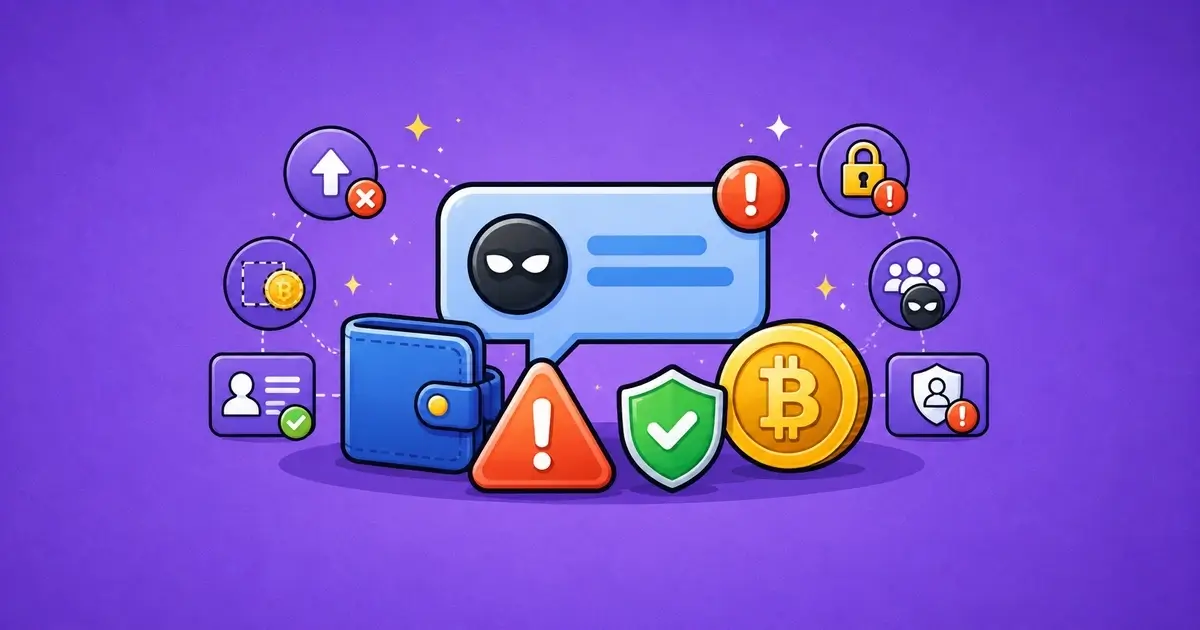
Fake Crypto Support Scams: Warning Signs
Learn how fake crypto support accounts target users after wallet, withdrawal, deposit, KYC, or account problems by pretending to represent platforms, exchanges, casinos, wallets, or recovery teams.