
Fake Crypto Support Scams: Warning Signs
Learn how fake crypto support accounts target users after wallet, withdrawal, deposit, KYC, or account problems by pretending to represent platforms, exchanges, casinos, wallets, or recovery teams.

Guide Category
Explore TrendCrypt guides in the crypto wallets category, including crypto casino explainers, provably fair topics, no-KYC platforms, safety, and practical blockchain gambling insights.
Learn how fake crypto support accounts target users after wallet, withdrawal, deposit, KYC, or account problems by pretending to represent platforms, exchanges, casinos, wallets, or recovery teams.
Learn how fake crypto tokens and airdrops use copied names, suspicious wallet deposits, malicious claim pages, unsafe approvals, and fake rewards to target wallet users.
Learn how crypto recovery scams target people after losses, including fake recovery agents, upfront fees, wallet-verification tricks, fake investigators, and guaranteed recovery claims.
Learn how to check crypto platform security beyond marketing claims by reviewing account controls, withdrawal protections, custody details, incident history, support safety, and user-risk warnings.
Compare stablecoin networks for USDT, USDC, and other stablecoins, including fees, speed, wallet support, token contracts, platform deposits, recovery risk, and common payment mistakes.
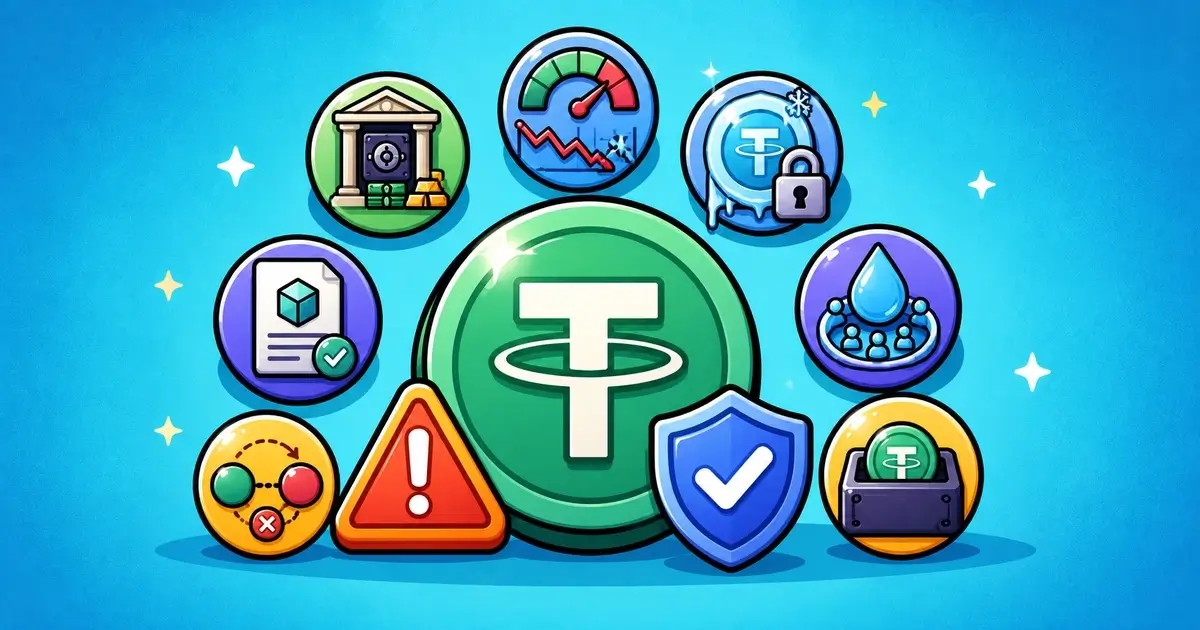
Learn the main stablecoin risks, including issuer control, reserves, depegs, network support, freezing, liquidity, token contracts, platform deposits, and payment mistakes.
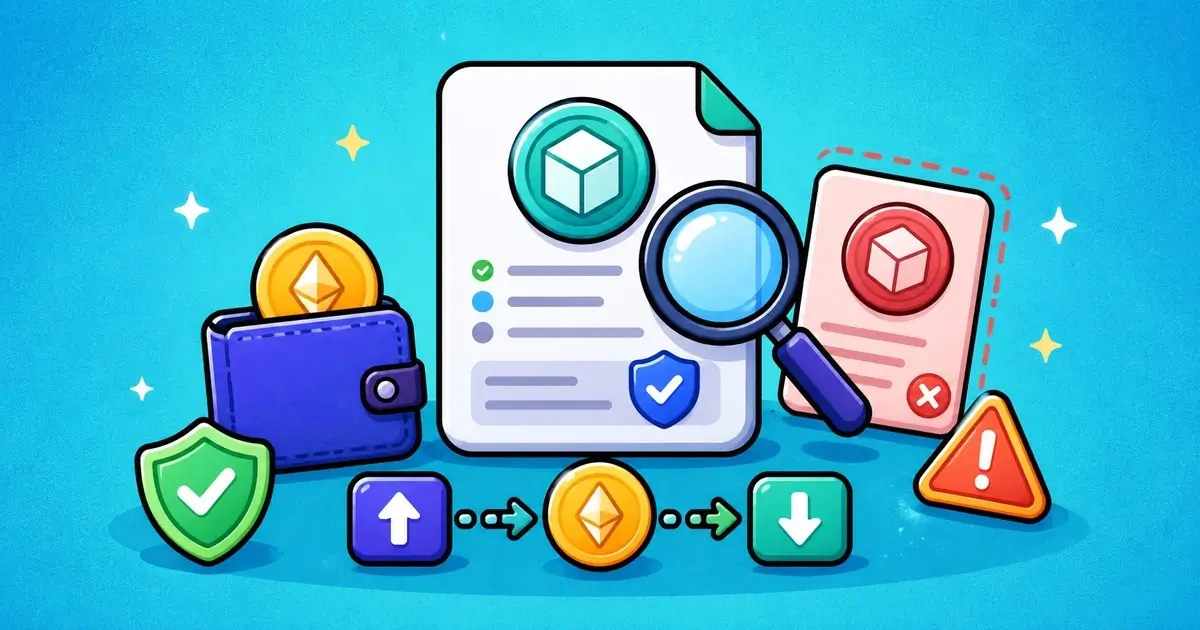
Learn how to verify a crypto token contract address before sending, swapping, depositing, or accepting tokens, and why token names and symbols alone are not enough.
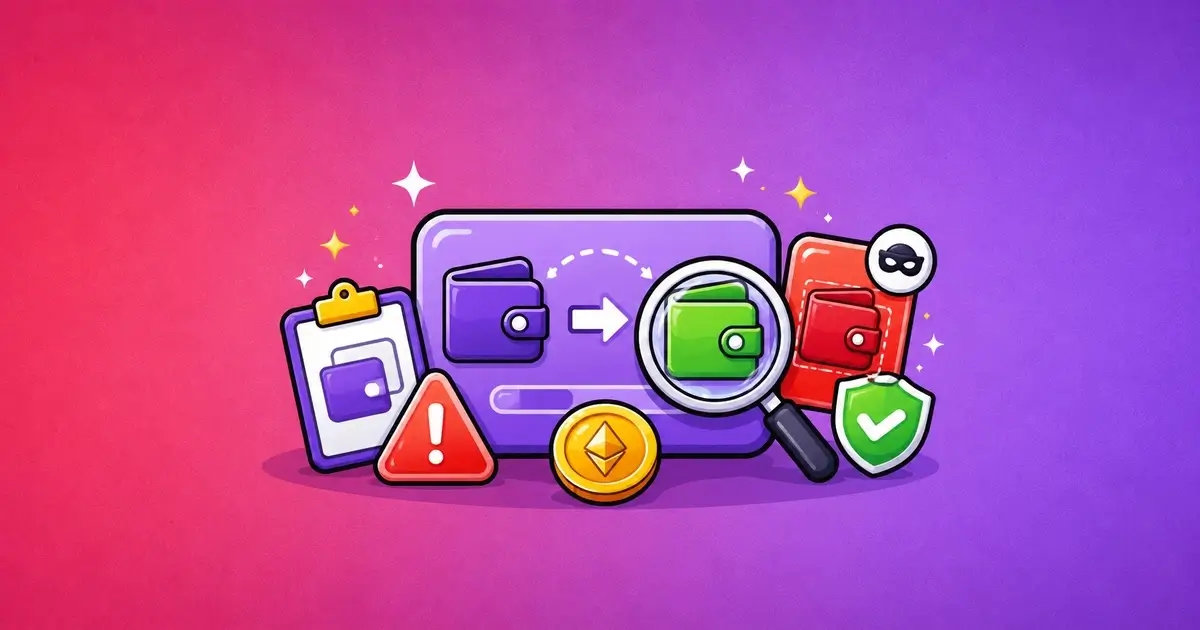
Learn how crypto address poisoning and clipboard address replacement work, why fake addresses can look familiar, and how to verify wallet addresses before sending funds.

Compare hot wallets, hardware wallets, exchange accounts, and multisignature wallets so you can choose the right crypto wallet for daily use, long-term storage, trading, and platform payments.
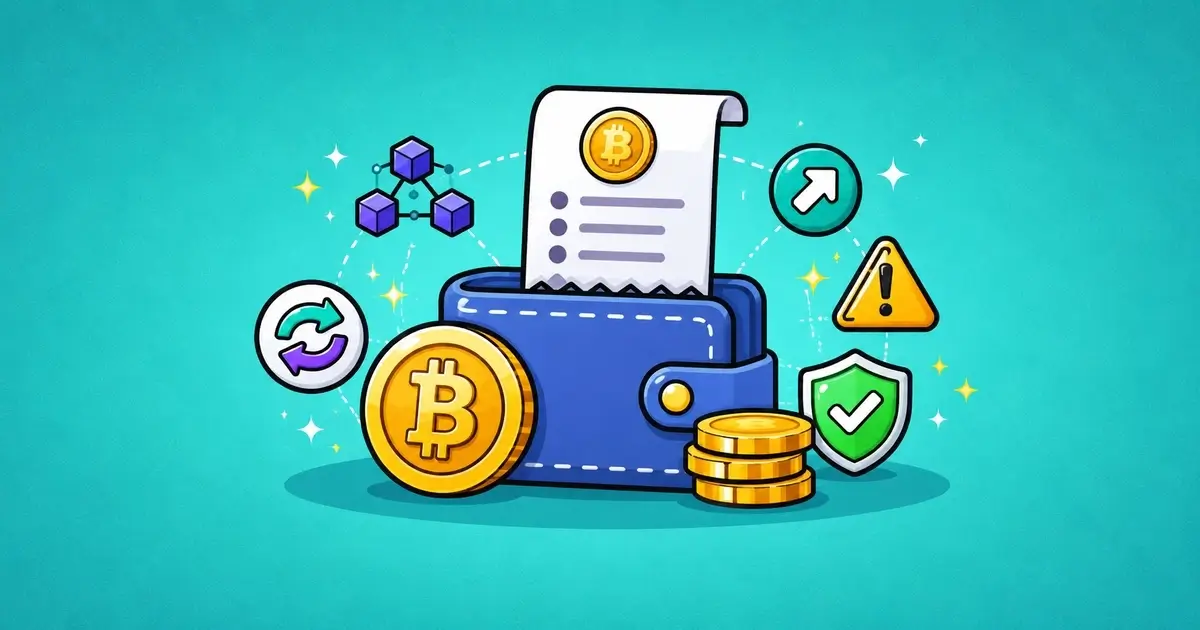
Learn how crypto payment fees work, including blockchain network fees, platform withdrawal charges, spreads, minimum withdrawal rules, conversion costs, and fee warning signs.
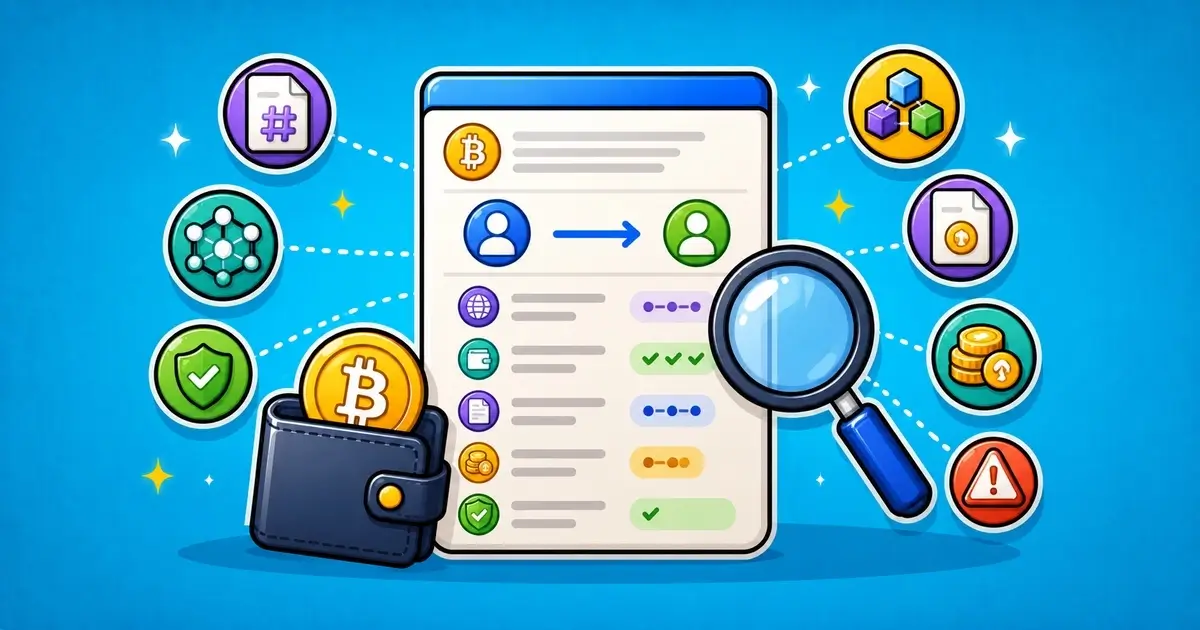
Learn how to read a crypto transaction by checking the transaction hash, network, sender and recipient addresses, confirmations, token contract, amount, fees, and transaction status.
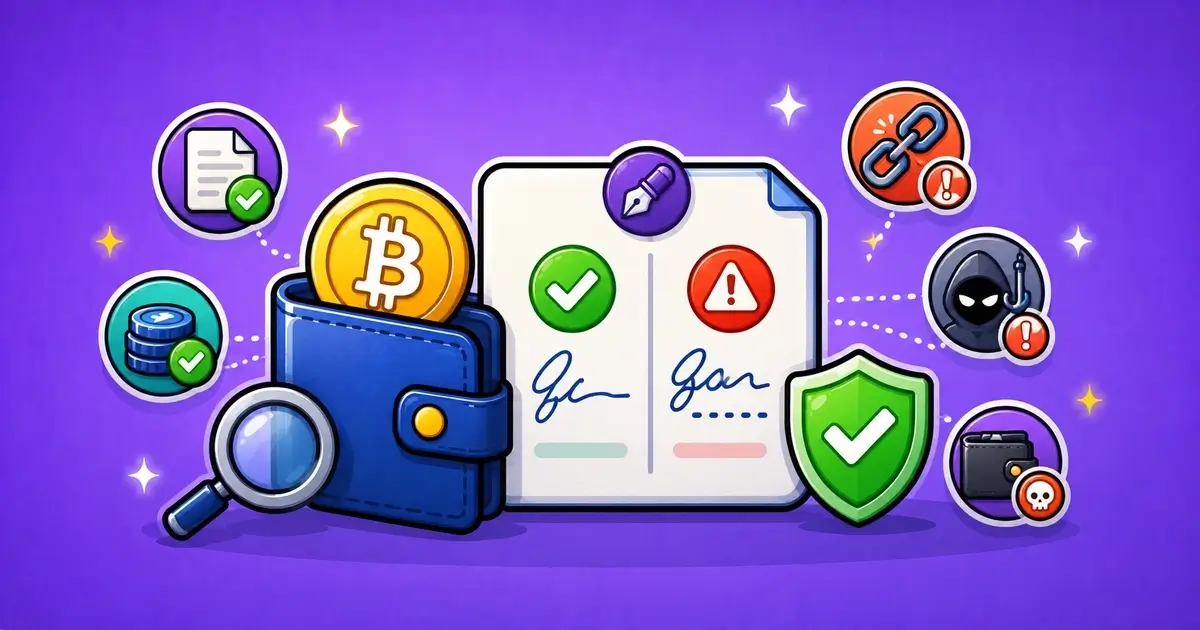
Learn how crypto wallet signatures work, why some signatures are harmless while others can create token permissions, approval risk, phishing risk, or wallet-drainer exposure.