
TrendCrypt News
Why Crypto Platforms Focus on Real Payments
Crypto companies are increasingly prioritizing payments, stablecoins, and financial infrastructure over pure speculation as the industry searches for sustainable mainstream adoption.
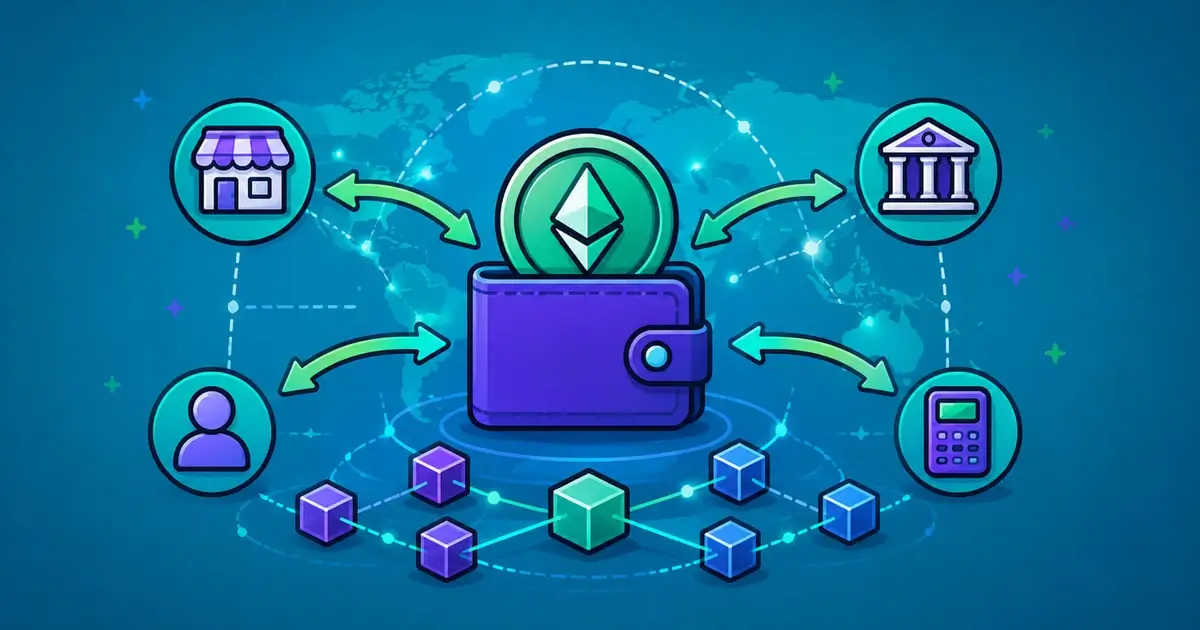
Crypto companies are increasingly shifting focus toward payments, stablecoins, and financial infrastructure instead of relying purely on speculative trading activity. Analysts suggest the industry is gradually moving into a more mature phase where practical utility and transaction efficiency matter more than hype-driven market cycles alone. As competition intensifies, many platforms are prioritizing real-world financial use cases that can attract mainstream users and businesses.
The shift is influencing exchanges, fintech systems, stablecoin ecosystems, payment providers, and blockchain infrastructure globally. Related resources include Bitcoin vs Stablecoins for Payments, Tether Gambling Guide, and Crypto Withdrawal Speed Guide.
Key Takeaways
- Crypto platforms increasingly prioritize payments and infrastructure
- Stablecoins are becoming central to blockchain transactions
- Real-world utility is gaining more attention than speculation alone
- Cross-border payments remain a major growth area
- Fintech integrations are expanding rapidly
- Regulation continues shaping payment-focused crypto products
- Analysts expect payment infrastructure growth to continue accelerating
What Happened
Crypto companies are increasingly building products around:
- stablecoin payments
- cross-border transfers
- merchant infrastructure
- blockchain settlement systems
- fintech integrations
Many platforms now view:
- payment utility
- transaction volume
- operational infrastructure
as more sustainable long-term growth drivers than speculative trading alone.
Major Areas of Crypto Payment Growth
| Sector | Current Focus |
|---|---|
| Stablecoin Payments | Fast and lower-volatility transactions |
| Cross-Border Transfers | Cheaper global settlement |
| Fintech Infrastructure | Blockchain payment rails |
| Merchant Payments | Crypto checkout integrations |
| Remittances | Faster international transfers |
Historically, financial technologies that solve real payment inefficiencies tend to gain broader mainstream adoption.
Why It Matters
Speculation helped grow crypto markets, but mainstream adoption often depends more heavily on:
- usability
- payments
- cost reduction
- transaction efficiency
👉 In practice, many businesses and users care more about:
- moving money efficiently
than - speculative token trading.
This is pushing crypto infrastructure toward more practical applications.
Payment-Focused Crypto vs Speculation-Focused Crypto
| Feature | Payment Infrastructure | Speculative Markets |
|---|---|---|
| Primary Goal | Practical financial usage | Price appreciation |
| Typical Assets | Stablecoins and payment tokens | Bitcoin and volatile assets |
| User Motivation | Efficiency and usability | Investment returns |
| Volatility Impact | Lower | Higher |
| Mainstream Utility | Higher practical usage | More investment-focused |
The crypto industry increasingly appears to be splitting between:
- financial infrastructure
and - speculative asset ecosystems.
Major Areas of Real-World Crypto Adoption
| Sector | Current Trend |
|---|---|
| Fintech Apps | Stablecoin integration increasing |
| Payment Providers | Blockchain settlement expansion |
| Crypto Exchanges | Payment infrastructure focus |
| Gaming Platforms | Crypto transaction support growing |
| Global Transfers | Cross-border adoption accelerating |
Stablecoins remain one of the strongest drivers of real-world crypto usage because they reduce volatility concerns.
Market Impact
Payment-focused crypto growth is influencing:
- fintech partnerships
- stablecoin competition
- blockchain infrastructure investment
- exchange business models
- global remittance systems
Some analysts believe payment infrastructure may become more important to crypto’s future than speculative trading cycles.
Important Context
Earlier crypto cycles focused heavily on:
- token speculation
- memecoins
- price volatility
- rapid trading activity
The industry is now increasingly emphasizing:
- practical utility
- transaction systems
- payment infrastructure
- financial efficiency
👉 Mainstream users often adopt technology more easily when it solves practical problems rather than speculative opportunities.
Important to Know
Stablecoins Drive Much of the Growth
Stablecoins increasingly dominate:
- transfers
- exchange settlement
- cross-border payments
- online transactions
Businesses Prioritize Stability
Companies usually prefer:
- predictable transaction value
- lower volatility
- simpler accounting systems
Regulation Is Becoming More Important
Payment-focused crypto systems face:
- financial compliance requirements
- anti-money-laundering oversight
- stablecoin regulation
- consumer protection standards
Blockchain Speed and Fees Matter
Fast low-cost networks are increasingly attractive for:
- payments
- gaming
- global transfers
- fintech integrations
👉 Based on current market conditions, infrastructure efficiency is becoming one of crypto’s biggest competitive advantages.
Key Risks for Payment-Focused Crypto Systems
| Risk | Why It Matters |
|---|---|
| Regulatory Pressure | Payment systems face heavy oversight |
| Stablecoin Dependence | Many systems rely on centralized issuers |
| User Education | Crypto onboarding remains difficult |
| Infrastructure Fragmentation | Different chains and standards complicate usage |
| Compliance Costs | Financial regulation increases operational expenses |
What Analysts Are Watching
Market participants are closely monitoring:
- stablecoin adoption growth
- fintech integrations
- blockchain payment volume
- merchant adoption
- global regulatory frameworks
Some analysts believe practical payment infrastructure may become crypto’s strongest long-term adoption driver.
Industry Reaction
Supporters argue payment-focused crypto:
- improves financial efficiency
- reduces transfer friction
- modernizes settlement systems
- expands blockchain utility
Critics argue:
- regulation could slow innovation
- stablecoin concentration creates systemic risks
- mainstream onboarding still remains difficult
The debate increasingly focuses on whether crypto can evolve into:
- real financial infrastructure
rather than - primarily speculative markets.
What Happens Next
Several factors may shape payment-focused crypto growth moving forward:
- stablecoin regulation
- fintech partnerships
- merchant integrations
- blockchain scalability
- consumer adoption
If payment infrastructure continues improving, analysts expect crypto utility to expand far beyond trading and speculation.
Related Guides
- Bitcoin vs Stablecoins for Payments
- Tether Gambling Guide
- Crypto Withdrawal Speed Guide
- Best Cryptocurrencies for Online Gambling
FAQ
Why are crypto companies focusing more on payments?
Because real-world utility may provide more sustainable long-term growth than speculation alone.
Why are stablecoins important for payments?
They reduce volatility and simplify transactions.
What industries are adopting crypto payments?
Fintech, remittances, online services, gaming, and global transfers.
Are stablecoins replacing Bitcoin for payments?
In many cases yes, especially for operational transactions.
What is the biggest challenge for crypto payments?
Regulation, onboarding complexity, and infrastructure fragmentation remain major issues.
Will crypto payments continue growing?
Most analysts expect blockchain payment infrastructure adoption to keep expanding.

Banks Are Realizing Tokenized Deposits May Not Be Enough
Banks are moving deposits onto programmable rails, but interoperability and portability may leave room for stablecoins alongside tokenized bank money.
The UK Is Rethinking How Hard It Should Restrict Stablecoins
The Bank of England has dropped individual stablecoin holding limits as the UK shifts from preventing rapid adoption toward making regulated digital money usable at scale.

Tokenized Deposits Are Banks’ Answer to Stablecoins
HSBC and Standard Chartered completed a live tokenized deposit transaction through Swift, showing how banks may bring programmable money onchain without issuing stablecoins.